


Introduction: Where Passion Meets Protection
Sports have always been about passion, performance, and competition. But today, they are much more than that. Behind every powerful sprint, every iconic jersey, and every unforgettable match lies a hidden force – Intellectual Property (IP).
From the shoes athletes wear to the technologies that track their performance, innovation continues to shape modern sports like never before. Intellectual Property (IP) in sports plays a critical role in protecting these innovations, ensuring creators receive recognition, and enabling organizations to build value from their ideas. By securing advancements in equipment, data-driven tools, and digital experiences, IP encourages continuous progress across the sports industry.
As technology redefines how sports are played, watched, and experienced, the importance of IP becomes even more evident. It not only safeguards innovation but also drives investment, supports creators, and accelerates the growth of modern sports technologies worldwide.
Last year’s World IP Day 2025 theme underscored the role of IP in music and AI innovation, setting the stage for its expanding impact across industries like sports.
World IP Day 2026 Theme: IP and Sports
Every year, World Intellectual Property Day highlights how IP drives creativity and innovation across industries. The 2026 theme, “IP and Sports: Ready, Set, Innovate,” focuses on how IP powers the global sports ecosystem.
Sports today are global, commercial, and highly technology-driven. Whether it’s athlete performance tools, fan engagement platforms, or team branding, IP plays a role everywhere.
Modern sports are no longer limited to stadiums. They extend into digital platforms, wearable technologies, broadcasting networks, and global branding. IP plays a central role in protecting these innovations and ensuring fair value for creators, athletes, and businesses.
This theme serves as a reminder that innovation in sports is developed, safeguarded, and expanded through Intellectual Property (IP) in sports.

What’s New in IP and Sports?
The sports industry is undergoing a massive transformation, evolving faster than ever as technology, data, and innovation to reshape how sports are played, experienced, and consumed globally.
- Smart wearables track athlete health and performance
- AI-driven analytics optimize training and reduce injuries
- Digital streaming platforms redefine how fans consume sports
- E-sports create entirely new competitive ecosystems
These advancements are not just technological, they are intellectual creations that require protection. IP ensures that innovators behind these developments can continue to push boundaries.
Take football, for example. Players now wear GPS trackers to monitor movement and stamina. In cricket, technologies like ball-tracking systems have changed how decisions are made. Even in running, advanced shoes and wearables are pushing performance limits.
All of these innovations are supported by Intellectual Property (IP) in sports, ensuring they are protected and continuously developed.
Real-World Examples of IP in Action
Consider a professional football team.
- The GPS vest worn by players uses patented technology
- The team logo and jersey are protected by trademarks
- The design of sports gear is safeguarded by industrial designs
- The live match broadcast is protected by copyright
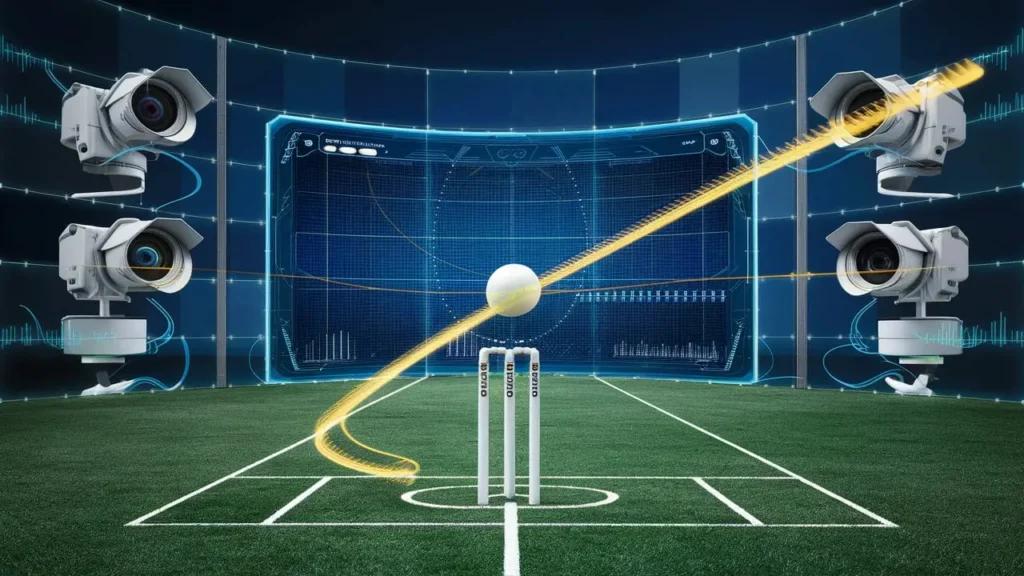
Cricket technologies such as Hawk-Eye and smart bats rely heavily on IP protection to ensure accuracy and innovation in the game. Similarly, tennis continues to evolve as manufacturers and developers create advanced rackets and line-calling systems, supported by patents and design rights that drive continuous improvement.
At the same time, the e-sports industry actively protects game design, streaming content, and branding through Intellectual Property (IP) in sports. This protection allows creators and organizations to secure their innovations while continuously expanding digital sports experiences.

How IP Drives Innovation in Modern Sports
IP does more than protect ideas—it actively drives innovation. It encourages companies to invest in research and development, helps athletes and brands build identity and value, and ensures creators receive fair rewards for their efforts. By securing new ideas and technologies, IP creates a strong foundation that supports continuous growth and progress across the sports industry.
Without IP, innovation slows down because creators and businesses lose the incentive to develop new technologies or improve existing systems. Intellectual Property (IP) in sports builds confidence by protecting ideas from being copied, allowing innovators to invest time and resources with certainty. As a result, companies and creators actively push boundaries, leading to faster advancements and stronger innovation in modern sports.
In sports, this leads to:
- Better equipment
- Safer gear
- Smarter training systems
- More engaging fan experiences
Without IP, many of these advancements wouldn’t move forward at the same pace.
The Real Difference
Before strong IP systems:
- Innovations were easily copied
- Creators struggled to gain recognition
- Limited investment in sports technology
After IP protection:
- Innovation is encouraged and funded
- Athletes and brands build global identities
- Technology evolves rapidly
- Fans experience better, more immersive sports
This transformation shows how critical Intellectual Property (IP) in sports is in shaping modern sports, enabling innovation, protecting creators, and driving long-term growth across the global sports ecosystem.
Patents: Protecting Sports Technology
Patents protect new inventions in sports and encourage companies and innovators to invest in research and development without fearing that others will copy their ideas.
From smartwatches tracking athlete performance to carbon-fiber running shoes, patents ensure that innovators can safeguard their technologies.
New-age advancements include:
- AI-powered injury prediction systems
- Smart training equipment
- Performance analytics software
These innovations not only enhance performance but also significantly improve safety and efficiency in sports. For instance, athletes use wearable devices to monitor heart rate, movement, and recovery in real time. As a result, these devices go beyond simple gadgets—they rely on patented technologies built through years of research and continuous innovation.
Furthermore, new-age advancements are pushing this even further. With Artificial Intelligence and data analytics playing a bigger role, Intellectual Property (IP) in sports continues to support and protect these innovations, enabling faster development and wider adoption across the industry.

Trademarks: Building Global Sports Identity
Trademarks protect the identity of sports brands by securing team names, logos, and symbols, making them easily recognizable to fans worldwide. They help organizations and athletes build strong, consistent brand identities while preventing unauthorized use. By protecting these elements, trademarks allow teams and businesses to maintain control over their image and reputation in a highly competitive global market.
Iconic team logos, athlete names, and slogans play a powerful role in shaping fan perception and engagement. These trademarked elements create emotional connections with audiences, strengthen brand loyalty, and generate significant commercial value. As a result, sports organizations and athletes turn recognition into revenue while building long-term brand equity.
Examples include:
- Team merchandise
- Athlete personal brands
- League identities
Trademarks turn recognition into revenue and loyalty into long-term value, playing a key role in Intellectual Property (IP) in sports.
Industrial Designs: Shaping the Look of Sports
Industrial designs protect the visual appearance of products, ensuring that innovative designs in sportswear and equipment remain exclusive and commercially valuable.
From sleek sports shoes to high-performance jerseys, design plays a key role in both functionality and aesthetics.
Modern innovations include:
- Lightweight sportswear
- Aerodynamic equipment
- Smart apparel with embedded sensors
Design is where performance meets style, and Intellectual Property (IP) in sports ensures it remains protected, allowing brands to innovate confidently while maintaining uniqueness in a highly competitive sports market.

Copyright: Protecting Sports Content
Copyright safeguards the content side of sports, protecting the creation, distribution, and monetization of media content across television, streaming, and digital platforms.
Live broadcasts, highlight reels, digital streaming, and even social media clips fall under copyright protection, ensuring creators and broadcasters maintain control, ownership, and fair revenue from their content.
In today’s digital world, where content spreads instantly, copyright ensures that creators and broadcasters retain control over their work, supported by Intellectual Property (IP) in sports.
See how this scenario protects content:
🔹 Prevents unauthorized use by stopping illegal streaming, copying, or redistribution of sports content across platforms.
🔹Ensures revenue generation by granting broadcasters exclusive rights to monetize content through subscriptions, advertisements, and licensing agreements.
🔹Maintains ownership and control by allowing creators to decide how, where, and when their content is shared or reused.
The Future of IP in Sports
Rapid technological advancements are shaping the future of sports innovation. As the industry evolves, several key drivers continue to transform how sports are played, managed, and experienced:
- Artificial Intelligence (AI): Enhancing performance analysis, injury prediction, and strategic decision-making
- Blockchain: Enabling secure and transparent rights management and content distribution
- Smart Contracts: Automating licensing agreements and ensuring fair and timely payments
- Advanced Wearables: Providing real-time data on athlete performance, health, and recovery
As these technologies continue to grow, Intellectual Property (IP) in sports will play a critical role in protecting innovation, ensuring fair ownership, and enabling sustainable growth across the global sports ecosystem.
At Signicent, we believe that innovation deserves protection and recognition. With over a decade of expertise in intellectual property, technology intelligence, and market research, we support organizations in transforming ideas into valuable assets.
From patent analytics and trademark strategy to innovation scouting and IP landscape analysis, our solutions help businesses navigate complex IP ecosystems with confidence.
In the evolving world of sports, where technology and creativity intersect, we enable startups, enterprises, and innovators to safeguard their ideas, accelerate development, and unlock global opportunities. By bridging innovation with protection, Signicent empowers the future of sports and beyond.
Conclusion: Innovation Needs Protection
Modern sports are evolving at an unprecedented pace. Technology, data, and creativity are reshaping the industry, creating new opportunities and experiences.
But every innovation needs protection to prevent misuse, reward creators fairly, and drive continuous advancement across the sports ecosystem.
Intellectual Property (IP) in sports not only protects ideas but also helps creators build, value, and sustain them. As we celebrate World IP Day 2026, it becomes clear that the future of sports goes beyond performance—it depends on innovation supported by strong IP systems.
“Because in the world of sports, innovation wins—but only when it is protected.”
FAQs: Intellectual Property in Sports
1. What is the role of intellectual property in sports?
Intellectual property in sports plays a crucial role in protecting innovation, branding, and content, securing technologies, team identities, and media rights while enabling creators and organizations to benefit from their work and drive continuous sports innovation.
2. How does IP drive innovation in sports technology?
IP in sports encourages companies to invest in research and development by protecting new ideas, while innovations like smart wearables and AI-driven analytics accelerate sports technology as innovators confidently develop and scale their inventions.
3. Why are patents important in sports?
Patents in sports protect new technologies such as performance-tracking devices, advanced equipment, and training systems. This protection allows companies to innovate confidently and prevents competitors from copying their inventions.
4. How do trademarks impact the sports industry?
Trademarks in sports protect team names, logos, and athlete identities. They help build brand recognition, strengthen fan loyalty, and generate commercial value through merchandise and global branding.
5. How does copyright protect sports content?
Copyright in sports safeguards live broadcasts, highlights, and digital media. It ensures that creators and broadcasters maintain control over content distribution, preventing piracy and enabling revenue generation through licensing and streaming.
6. What is the future of intellectual property in sports?
Emerging technologies like AI, blockchain, and smart contracts are shaping the future of intellectual property in sports, enhancing protection, improving rights management, and supporting the global growth of sports innovation.