

Introduction
Hair coloring remains one of the most widely used cosmetic treatments worldwide. While it enhances appearance and personal expression, traditional hair dye formulations often cause scalp discomfort due to strong chemical components.
Many consumers report symptoms such as itching, burning sensations, redness, or allergic reactions during or after the coloring process. These reactions are commonly linked to ingredients such as ammonia, hydrogen peroxide, and para-phenylenediamine (PPD), which are essential for color development but can irritate sensitive skin.
As a result, cosmetic researchers and manufacturers are developing scalp-friendly hair dye formulations that minimize irritation while maintaining strong color performance.
This article explores the ingredients and formulation technologies that help reduce scalp irritation in modern hair coloring products. Through effective technology monitoring, emerging trends, safer ingredients, and advanced formulation approaches can be identified to support the development of scalp-friendly solutions.
Why Traditional Hair Dyes Often Cause Scalp Irritation
Conventional hair dye formulations rely on strong oxidative chemical reactions to produce permanent color. The main ingredients responsible for irritation include:
Ammonia
Used to open the hair cuticle but can disrupt the scalp barrier.
Hydrogen Peroxide
Acts as a developer but may cause dryness and irritation.
Para-Phenylenediamine (PPD)
A powerful coloring agent known to cause allergic reactions in sensitive individuals.
In addition to irritation, consumers may experience:
- Hair damage during chemical processing
- Uneven color results
- Faster color fading
- Increased scalp sensitivity
These issues highlight the need for gentler hair coloring technologies.
Ingredients That Help to Reduce Scalp Irritation in Hair Dye
Modern cosmetic formulations use carefully selected ingredients to reduce harsh chemical effects on the scalp while ensuring effective dye penetration.
Moisturizing and Conditioning Ingredients
Certain ingredients help maintain scalp hydration during the coloring process.
- Glycerin – acts as a humectant that attracts and retains moisture
- Propylene glycol – improves dye penetration while preventing dryness
- Aloe Vera Extract – soothes irritation and supports scalp healing
- Panthenol (Pro-vitamin B5) – strengthens hair and reduces dryness
These ingredients help reduce irritation by maintaining the scalp’s natural moisture balance.
Milder Cuticle Opening Agents
Traditional hair dyes rely heavily on ammonia to open the hair cuticle. However, alternative ingredients are now used to reduce irritation.
- Ethanolamine – opens the hair cuticle more gently than ammonia
- Monoethanolamine (MEA)-based systems – lower volatility and milder action
- Low-alkaline dye systems – minimize damage to the scalp barrier
These ingredients improve comfort without significantly affecting color performance.
Low-Toxicity Solvents
Certain solvents improve dye stability while reducing irritation potential.
| Ingredient | Function |
| Propylene carbonate | Dissolves dye ingredients with minimal toxicity |
| Isopropyl alcohol | Helps disperse formulation components |
These solvents help create more stable and balanced dye formulations.
Natural and Botanical Hair Coloring Ingredients
There is increasing demand for plant-based and naturally derived hair dye ingredients that offer safer alternatives.
Common natural ingredients include:
- Henna (Lawsonia inermis) – natural dye with conditioning properties
- Indigo extract – used for darker shades in combination with henna
- Chamomile extract enhances lighter tones and soothes the scalp
- Coffee and tea extracts are used for subtle color enhancement
- Plant-based oils (argan oil, coconut oil) nourish and protect the scalp
These ingredients reduce reliance on synthetic chemicals and improve consumer perception of safety. Insights from the patent landscape further highlight the growing focus on natural and scalp-friendly hair dye innovations.
Technologies Improving Scalp-Friendly Hair Coloring
Ammonia-Free Hair Dye Systems
Gentler alternatives to ammonia reduce scalp irritation while maintaining effective hair color penetration and performance.
- Replace harsh alkaline agents with milder compounds like ethanolamine
- Reduce strong odor and scalp sensitivity during application
- Maintain effective cuticle opening for consistent color results
Microencapsulation Technology
Encapsulated dye molecules enable controlled release, reducing direct scalp exposure and improving formulation safety.
- Dye molecules are enclosed in protective microcapsules
- Gradual release minimizes direct chemical interaction with scalp
- Enhances color uniformity and reduces irritation risk
Botanical Pigment Innovations
Plant-based pigments offer natural coloring alternatives that reduce chemical exposure and improve scalp compatibility.
- Derived from natural sources like henna, indigo, and plant extracts
- Lower risk of irritation compared to synthetic dyes
- Improve consumer perception of safety and sustainability
pH-Balanced Formulations
Optimized pH levels protect the scalp barrier while ensuring effective dye penetration and long-lasting color results.
- Maintain scalp’s natural protective barrier during coloring
- Prevent excessive dryness and irritation
- Support stable and uniform color development
AI-Driven Color Formulation Systems
AI technologies optimize formulations by reducing chemical load and improving precision in scalp-friendly hair coloring.
- Predict optimal ingredient combinations for minimal irritation
- Reduce unnecessary chemical exposure in formulations
- Enable personalized solutions based on scalp sensitivity
Key Components of Hair Dye Formulations (Scalp & Hair Impact)
Hair coloring formulations typically consist of several chemical components that work together to produce stable color results.
| Component Type | Substance | How It Helps (Scalp & Hair Context) |
| Cuticle Opening Agent | Ammonia | Opens hair cuticle for dye penetration but may irritate the scalp and cause dryness if overused |
| Cuticle Opening Agent | Ethanolamine | Gentler alternative to ammonia; reduces scalp irritation while allowing effective color absorption |
| Developer | Hydrogen Peroxide | Activates dye molecules; controlled use helps balance color formation with minimal scalp damage |
| Coloring Agent | Para-phenylenediamine (PPD) | Provides long-lasting color but may trigger allergic reactions in sensitive scalps |
| Color Intensifier | Resorcinol | Enhances color depth and intensity; requires controlled concentration to avoid irritation |
| pH Regulator | Citric Acid | Maintains pH balance, protecting the scalp barrier and ensuring smooth dye application |
| Conditioning Agent | Glycerin | Retains moisture, reduces dryness, and improves scalp comfort during hair coloring |
Maintaining the correct pH balance ensures effective dye penetration while minimizing scalp irritation. Want deeper ingredient insights? Explore our technology intelligence services at Signicent.
Storage and Stability Considerations
Hair dye formulations must remain stable during storage and transportation. Manufacturers design products to withstand environmental conditions such as:
- Heat exposure
- Light exposure
- Air oxidation
Proper packaging and storage conditions help preserve formulation effectiveness and product safety.
Improving Color Efficiency and Durability
Modern hair dye formulations incorporate color-fixing agents that help maintain color intensity and longevity.
These agents:
- Improve dye adsorption onto hair fibers
- Enhance color retention after washing
- Reduce fading over time
Such improvements allow brands to deliver long-lasting color while maintaining scalp comfort.
Hair Colour Market Analysis
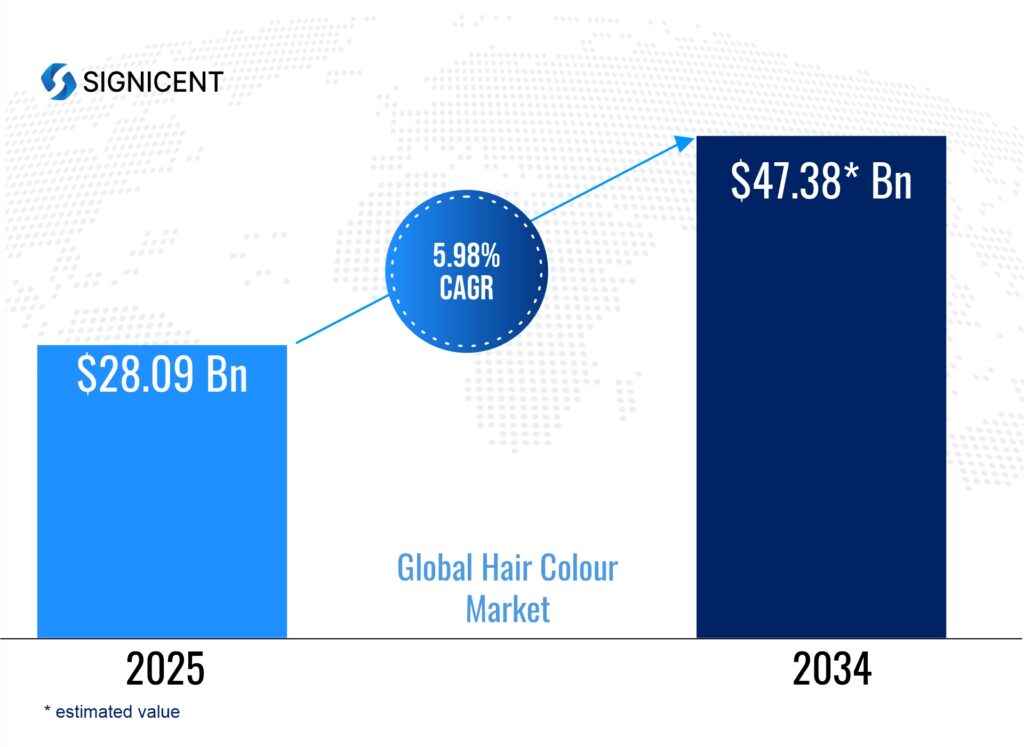
As per Signicent’s market research analysis, the hair colour market is projected to reach USD 28.0 Bn in 2025 and grow to USD 47.38 Bn by 2034. This growth is driven by increasing consumer awareness of scalp health, demand for safer formulations, natural ingredients adoption, and innovation in advanced hair care technologies and products.
Companies Driving Innovation in Hair Coloring
Several global cosmetic companies are investing heavily in hair coloring research and product development. Competitor Product Analysis enables deeper insights into formulation advancements, ingredient choices, and evolving product strategies across the industry.
Key industry players include:
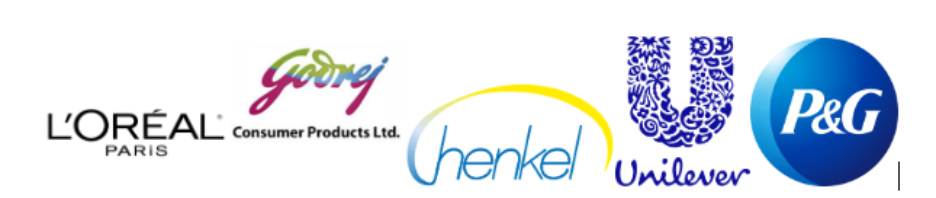
These companies continue to develop safer formulations that balance performance with consumer safety.
Conclusion
The evolution of hair coloring is increasingly centered around scalp safety, formulation efficiency, and consumer comfort. Traditional hair dyes, while effective, often rely on strong chemicals that can lead to scalp irritation and sensitivity.
In response, modern formulations are shifting toward the use of moisturizing ingredients, milder solvents, and ammonia-free systems to enhance scalp compatibility. Additionally, advancements such as pH-balanced formulations, microencapsulation technologies, and botanical pigment innovations are redefining how hair color products are developed. Overall, the industry is moving toward safer, more sustainable, and consumer-centric solutions, ensuring that performance is achieved without compromising scalp health.
FAQs on Hair Dyes
Why is my scalp burning after using hair dye?
Scalp burning usually happens due to strong chemicals like ammonia or PPD reacting with sensitive skin. It may also occur if the scalp is dry, irritated, or damaged before application.
What should I do if hair dye irritates my scalp immediately?
Rinse your scalp immediately with lukewarm water and stop using the product. Avoid scratching and consider using soothing agents like aloe vera or consulting a dermatologist if irritation continues.
Which hair dye is best for sensitive scalp and no burning?
Look for ammonia-free, pH-balanced, and dermatologically tested hair dyes. Products with moisturizing and soothing ingredients like glycerin or aloe vera are generally more comfortable.
Can hair dye cause long-term scalp damage or hair loss?
In some cases, repeated exposure to harsh chemicals can weaken the scalp barrier and hair roots, leading to dryness, sensitivity, or temporary hair fall if not managed properly.
How can I prevent scalp irritation before coloring my hair?
Avoid washing your hair right before coloring, do a patch test, and use pre-conditioning or scalp protection products to reduce sensitivity during application.
Are natural or herbal hair dyes safer for sensitive skin?
Natural dyes may reduce irritation for some users, but not all are completely risk-free. Always check ingredients and perform a patch test before use.